
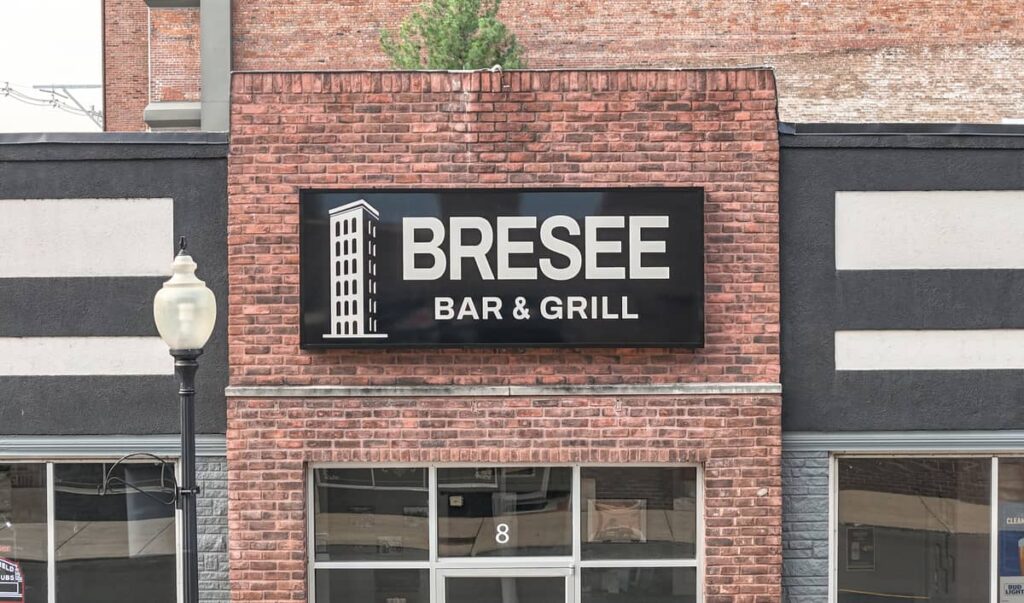
Next time you’re driving through a downtown district, pulling onto a school or healthcare campus, or even taking a stroll through a park, take a moment to really look at the signage around you. Not just what it says—but what it’s made of, how it’s finished, and how it fits within its surroundings.
Great signage today doesn’t happen by accident. It’s part of a $9 billion U.S. industry, with custom designs making up a significant share of that demand.
If you’ve ever been part of choosing signage, you know how easy it is to get pulled into colors and layout first. But the real foundation starts with what it’s made from—because that choice influences performance, longevity, and overall perception.
Keeping that in focus, let’s break down the best materials for custom signage in 2026.
Brushed Aluminum: Lightweight, Versatile, and Everywhere
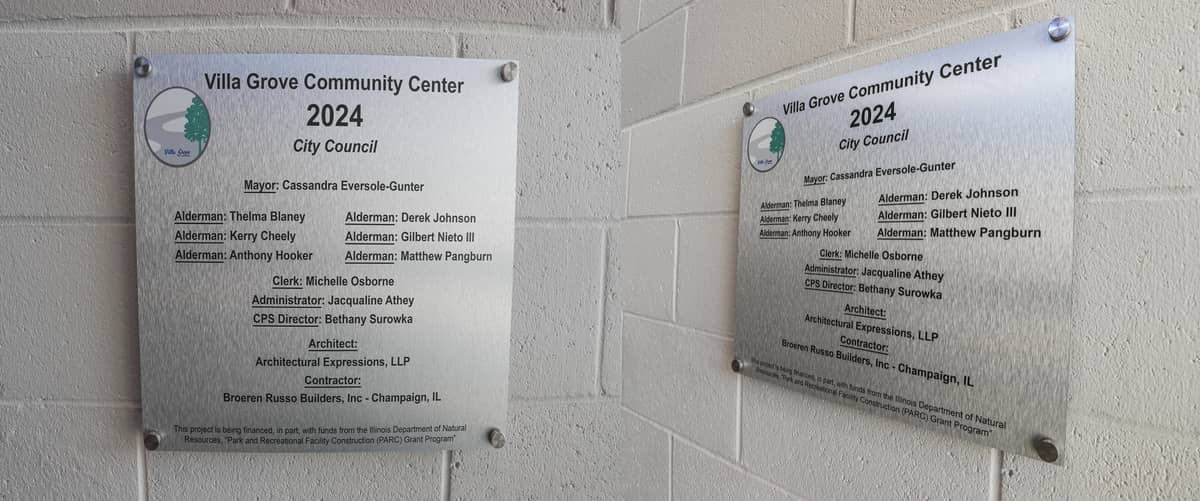
Brushed aluminum continues to be a staple in the signage world. The balance it strikes is hard to replicate—clean and modern, yet comfortably timeless. Brushed aluminum signage fits just as effortlessly in a contemporary office as it does in a long-established institution.
From a practical standpoint, it checks a lot of boxes. The material is lightweight, easy to work with, and holds up well indoors and out. Its subtle, directional texture interacts with light just enough to create depth, without the glare or high shine of more polished surfaces.
The brushed finish also does a nice job of minimizing fingerprints and minor surface imperfections, allowing signage to maintain a professional look with very little upkeep.
In the end, brushed aluminum offers a dependable, well-balanced solution that blends in when it should—and stands out when it needs to.
Bronze: Timeless, Prestigious, and Built to Last
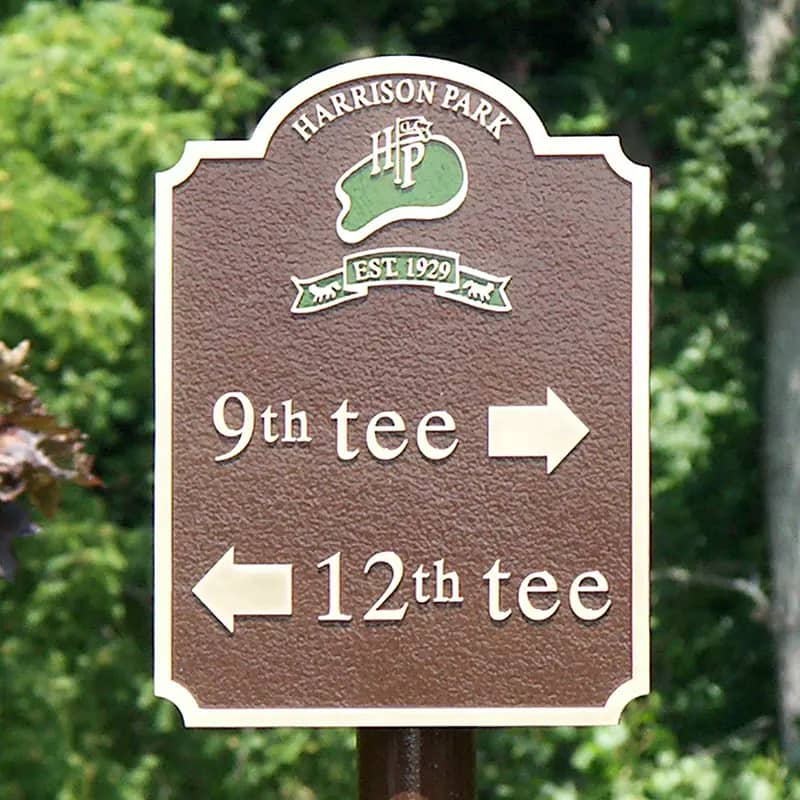
There’s something about bronze that immediately signals permanence and prestige. For centuries, it’s been used in art, sculpture, and currency, applications where longevity isn’t just appreciated, it’s expected.
Bronze carries weight—both physically and symbolically—that few materials can match. Visually, it offers a rich, dimensional look that adds interest without overwhelming. And when properly cared for, bronze ages gracefully, often outlasting the structures around it.
One of its strongest qualities is its natural versatility. In traditional settings like universities, museums, and libraries, it reinforces a sense of legacy. Outdoors, its warm tones complement the landscape rather than compete with it.
Bronze performs exceptionally well over time, enduring exposure to the elements and retaining its integrity. That makes it a smart choice for golf courses, cemeteries, parks, and public landmarks—anywhere lasting, refined signage is the goal.
Alupanel (aka A-Lite): The Modern Workhorse
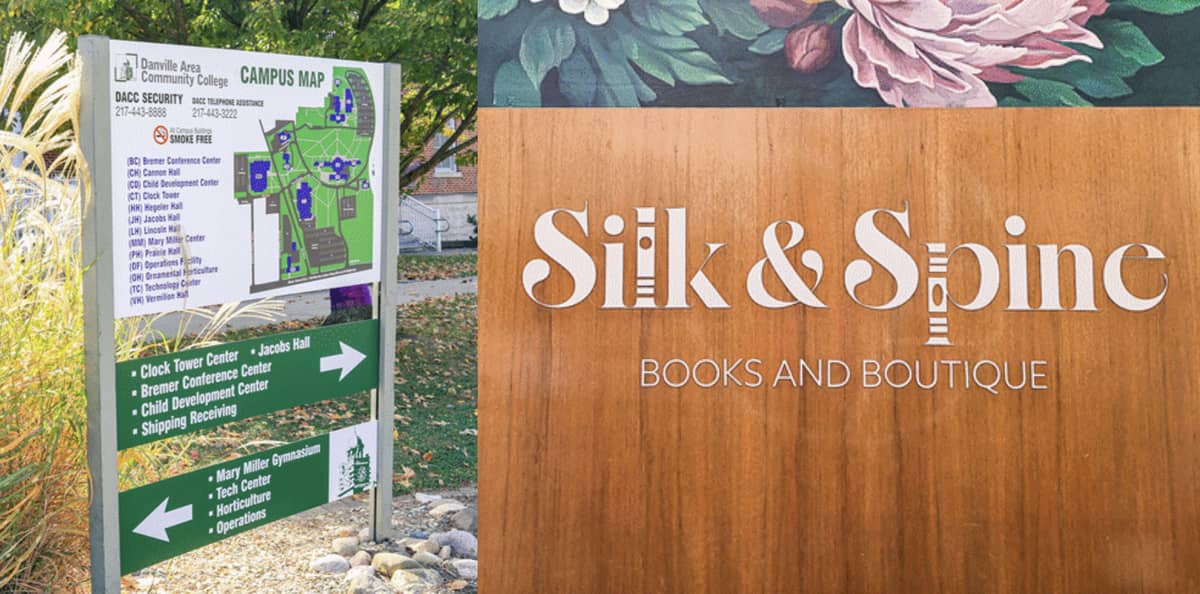
If consistency and performance are priorities, Alupanel (aluminum composite material) is hard to beat. It may not always be the most well-known option, but it does the job reliably, day in and day out.
Constructed from two aluminum sheets bonded to a solid core, it delivers an effective mix of strength and reduced weight. That pairing becomes especially useful for larger-format signage, where maintaining shape and stability without adding bulk can make a noticeable difference.
Consider a university campus. With signage spread across multiple buildings, pathways, and parking areas, there’s a need for everything to feel cohesive from one location to the next. Alupanel helps ensure that uniform look, while staying resistant to warping, withstanding changing weathering conditions, and holding its structure through the years.
When it’s trusted at that scale, it’s easy to see why it’s growing in popularity.
ColorCore: Durable, Dimensional, and Built for Wayfinding
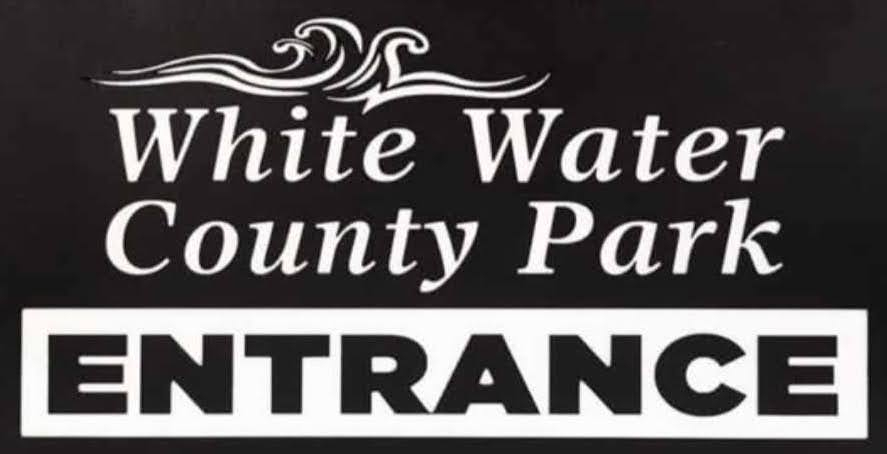
ColorCore is gaining traction in environments where clarity and durability are non-negotiable.
Its layered construction is what truly sets it apart. When routed, ColorCore reveals a contrasting inner substrate, creating built-in depth without the need for paint or applied graphics. The result is a clean, dimensional look that holds up over timetime—no peeling, fading, or surface wear to worry about.
Because the color runs throughout the material, everyday scratches and scuffs tend to blend in rather than stand out, which makes a considerable difference in high-traffic areas.
You’ll often see ColorCore in spaces where signage needs to stay sharp and easy to read. It finds its strength in wayfinding and directional signage, where clear navigation and brand consistency go hand in hand.
ColorCore is also a strong choice for industrial and manufacturing facilities, where it needs to withstand daily wear.
Polycarbonate with Translucent Vinyl Graphics – A Hall of Fame Favorite
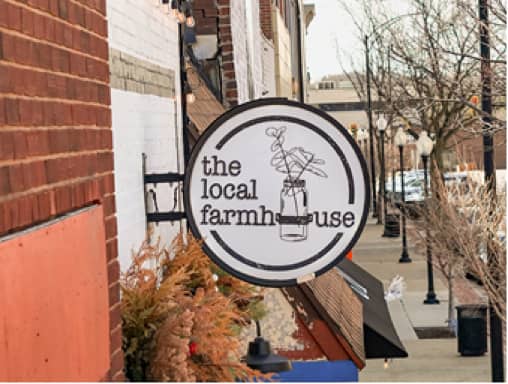
Some signage isn’t meant to sit quietly in the background—it’s meant to be seen, day and night. That’s where polycarbonate earns its keep, bringing toughness to the table and handling impact, temperature swings, and long-term exposure without breaking down.
But its real advantage shows up in illuminated outdoor signage. Layer in translucent vinyl, and the visual piece falls into place. This pairing is a familiar sight in channel letters, monument signs, and storefront displays. It’s especially effective in environments where recognition and readability matter at a glance.
Another key benefit is how well it carries color and graphics while allowing light to pass through evenly. That means no patchy glow, no washed-out colors—just consistent, legible signage around the clock.
You might think of this type of signage as a straightforward partnership: one material built to endure, the other built to communicate. Together, they deliver signage that stays sharp, visible, and reliable.
Where It All Comes Into Focus
Custom signage is everywhere, playing a critical role in how people navigate, experience, and remember a space.
If you’re a decision-maker considering materials, hopefully this blog has given you something to think about. And now that your wheels are turning, I encourage you to reach out to Hall of Fame Plaques & Signs.
With the ability to design, fabricate, and customize every type of sign we’ve discussed, we bring consistency and quality to projects of every size—with a level of detail that makes each piece feel less like a sign and more like a permanent fixture.