


Bronze plaques, with their timeless elegance and enduring quality, are a symbol of commemoration. They serve as lasting testaments that tell stories, honor individuals, and mark historical events.
For hundreds of years, bronze plaques were produced by melting bronze ingots and then pouring the molten material into sand-casting patterns. This traditional process was considered ideal for achieving a quality product with a consistent finish. In fact, many manufacturers continue to use this method today.
However, new concepts and technological advancements emerge, reshaping various aspects of our world. The same holds true for bronze plaques, and in the late 1990s the game began to change. New technology became available that would revolutionize the way these enduring tributes were made.
Let’s delve deeper into the evolution of bronze plaques, particularly through the introduction of CNC (Computerized Numerical Controlled) machining.
CNC Machining
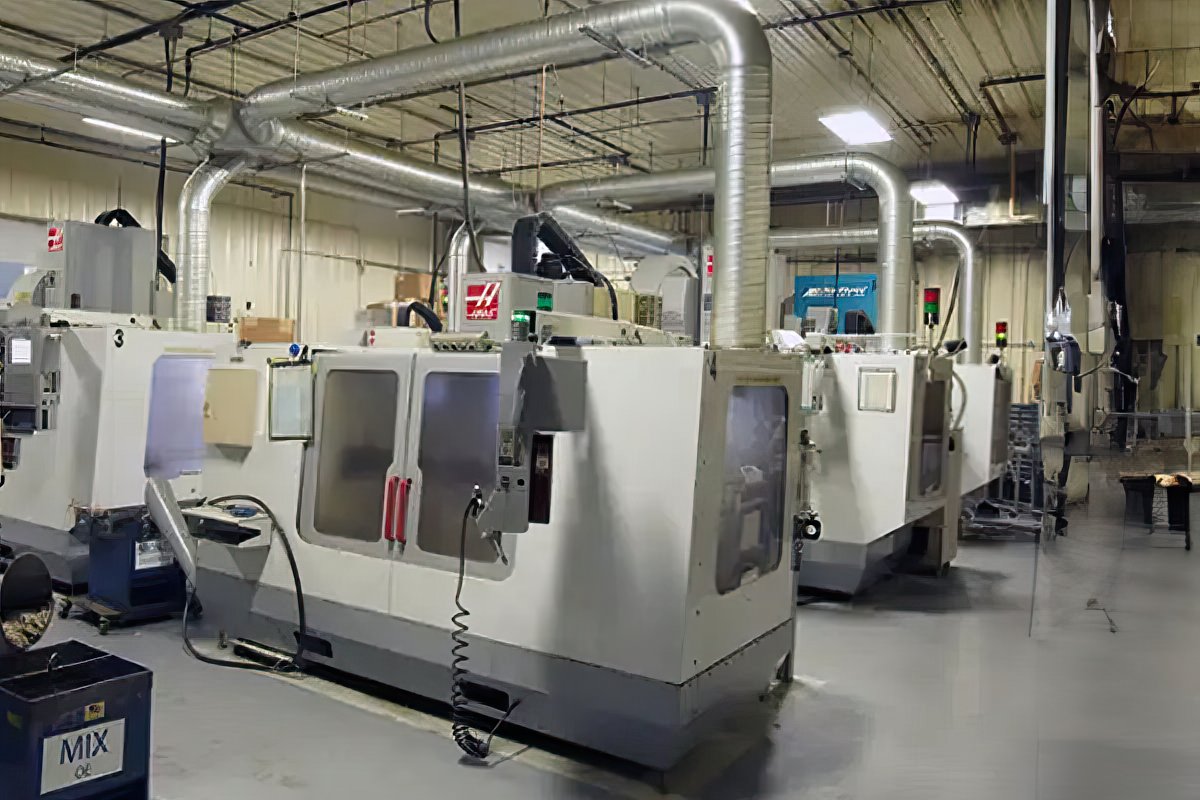
In the mid-1990s, a company called Greenwood Inc., the parent company of Hall of Fame Plaques & Signs, began exploring different machinery and computer software combinations. After several years of experimentation, they successfully identified the optimal integration to meet their needs.
In 1999, a significant breakthrough occurred when they began using state-of-the-art CNC machines to manufacture bronze plaques, completely transforming the look and feel of the final product.
Computerization provided accuracy and precision, creating flawless products. Watching a plaque being machined was like observing a sculptor carve a delicate masterpiece from a block of marble – every cut and stroke is precise and intentional, resulting in a flawless and beautiful creation.
Enhanced Craftsmanship

The use of CNC machines facilitated the creation of nearly perfect text on bronze plaques. Machining bits were able to remove excess bronze, leaving behind crisp and clean text.
In contrast, the old casting method required hand-set letters to produce text. Over time, these letters would wear down. The imperfections left in the sand were a recipe for less-than-desirable results. Modern computerization eliminated the need for additional laborers in hand-setting tasks. This meant that plaques with a significant amount of text could now be machined immediately.
Not only did CNC machines refine the craftsmanship of the text, but they also cleaned up the borders around the plaque and allowed for different types of engraved backgrounds. These efficiencies, coupled with the resulting high quality, established a new standard for bronze plaques.
Photographs and Emblems

CNC machines and computerized software not only revolutionized text plaques but they also transformed plaques featuring emblems and photographs. The days of seeing cartoonish-looking images on bronze plaques were gone.
Past
For centuries, the only way to add an image or emblem to a bronze plaque was through the labor-intensive bas-relief process. Simply put, bas-relief entails an artist sculpting an image in wax based on a provided photograph.
The drawback of bas-relief is that the sculpted wax image is never a perfect replica, as it relies on the artist’s interpretation of the picture. Once the sculptor is satisfied with the likeness, the wax model is attached to a pattern and pressed into sand to form a mold for pouring molten bronze, thereby creating the plaque.
After the casting is complete and the molten metal cools, the final product is removed from the casting pattern. At this stage, the graininess of the sand mold can blur the details of the wax sculpture. This adds another layer of challenge in achieving an exact likeness, highlighting the limitations of this dated technique.
Present
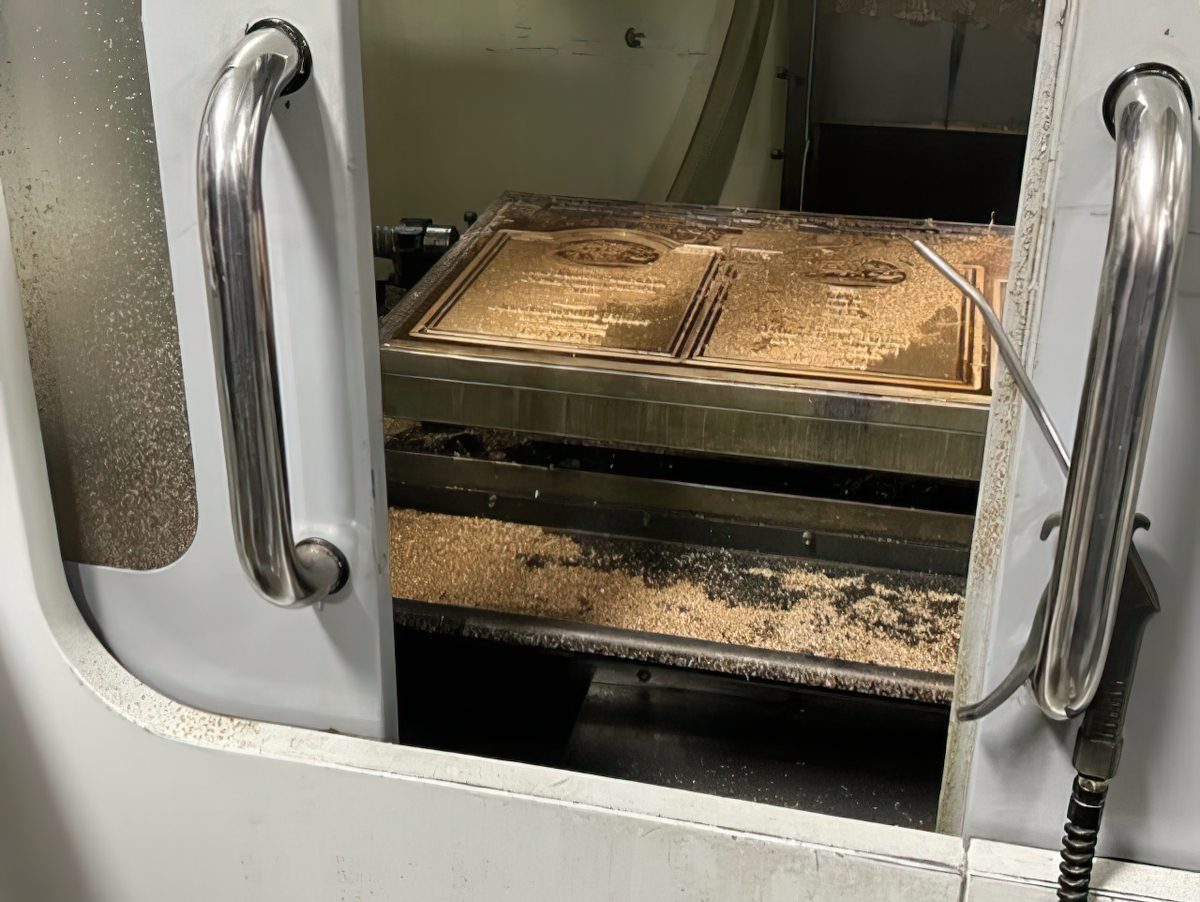
The digitization of the bas-relief process in 1999 opened up a wide range of opportunities to cater to specific client requirements.
Today, with the aid of computer scanners and graphic design software, such as Adobe Photoshop, companies like Hall of Fame Plaques & Signs can enhance and manipulate original photographs. This allows for the creation of a final image that is well-suited for CNC machining. As a result, the photographs machined onto plaques are exact replicas of the images provided by the client.
The key to successfully machining these images lies in contrast and the variation between highs and lows. Graphic designers now understand what the machining software prefers, and they can produce a rendering of the image that is often of higher quality than the original photograph.
New Capabilities

Prior to 1999, bronze plaques typically featured only a sculpted likeness of an individual. With the advent of digitization, it was now possible to use complete photographs as well.
Today, the entirety of the image, including the background, can be used to make a stunning bronze plaque that will be around for hundreds, if not thousands of years. The CNC machine’s drill bits can accurately process any image that has been converted into G-CODE programming language.
In summary, the art of creating bronze plaques has undergone a remarkable transformation, from the hands of skilled artisans to the precision of computerized machinery. Hall of Fame Plaques & Signs stands at the forefront of this evolution, offering unparalleled quality and detail in every plaque we craft.
If you’re looking to honor someone with a piece that encapsulates both history and innovation, we invite you to explore the possibilities at Hall of Fame.
Interested in learning more about how technology has changed bronze plaque manufacturing? Check out this story.
Innovating Bronze Plaque Manufacturing for a Baseball Icon: From Start to Finish

A Major League Baseball team has a player who is set to retire at the end of the season. This player is none other than their All-Star catcher who is as beloved as the team itself.
The team owner decides to honor this player by commissioning a bronze plaque for display at their home stadium, ensuring the player’s legacy will remain in the hearts of all the fans.
The owner reaches out to Hall of Fame Plaques & Signs, sharing his vision to honor this legend. Staff members take detailed notes and request 3 to 5 favorite photographs of this player, which are promptly sent the following day.
Upon receiving the images, the Hall of Fame staff forwards them, along with the concept, to the manufacturer. There, the graphic artists start working on a design to celebrate this distinguished player.
They envision the plaque in the shape of a Home Plate, featuring a collage of various elements including:
- An aerial shot of the team’s baseball field, highlighting the meticulously cut grass
- A bust from the player’s most recent individual portrait in his uniform
- Action shots of him at bat and in his catcher’s gear
- His biography and career statistics
Once the design is finalized in the software, engineers convert it into ‘G CODE’ for the machine.
To initiate production, a bronze sheet is loaded into the CNC machine and secured in place. The machine is started and its bits glide over the bronze, removing excess metal, transforming it into an exact replica of the design team’s creation.
The final product is then delivered to the finishing department, where an oxide finish and a clear coat are applied to encase this stunning piece of art.
Carefully packaged, the plaque is shipped to the team owner and presented to the player, who is awestruck by its quality and detail. Another win for this team!
Unlike traditional methods, which would have yielded a rectangular plaque with a somewhat cartoonish depiction of the player, this modern approach delivered a ‘WOW FACTOR’ that truly honors his remarkable career.